


Regular breast cancer screening helps detect cancer at an early stage, often before symptoms appear. Early diagnosis improves treatment success, increases survival rates, and supports better long-term health outcomes.

Breast reconstruction restores breast shape and symmetry after mastectomy using implants, autologous tissue flaps, or a combination, significantly improving quality of life and body image.

Phyllodes tumour treatment primarily involves wide surgical excision with clear margins; malignant cases may require mastectomy and adjuvant radiation or chemotherapy for metastatic disease.
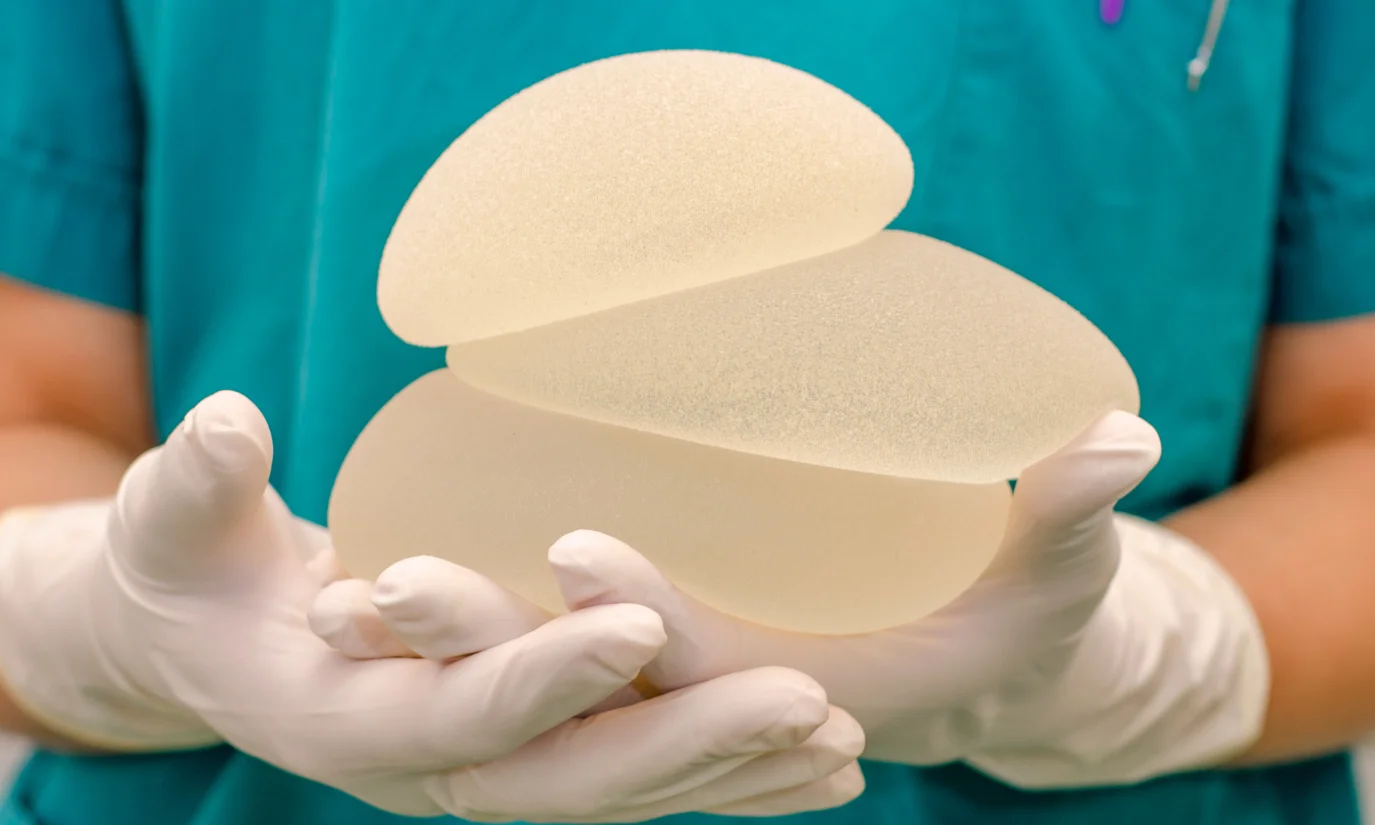
Nipple papilloma treatment usually entails surgical excision of the benign ductal growth to relieve nipple discharge and rule out associated malignancy through histopathological examination.

Breast TB treatment combines anti-tubercular therapy for 6-9 months with surgical drainage or excision of abscesses and fistulas when medical management alone proves insufficient.

Breast abscess is a localized pus collection often caused by bacterial infection, commonly treated with antibiotics, needle aspiration, or incision and drainage under imaging guidance.

Gynecomastia surgery removes excess glandular breast tissue and fat in males through liposuction, excision, or combined techniques, restoring a flatter, masculine chest contour.
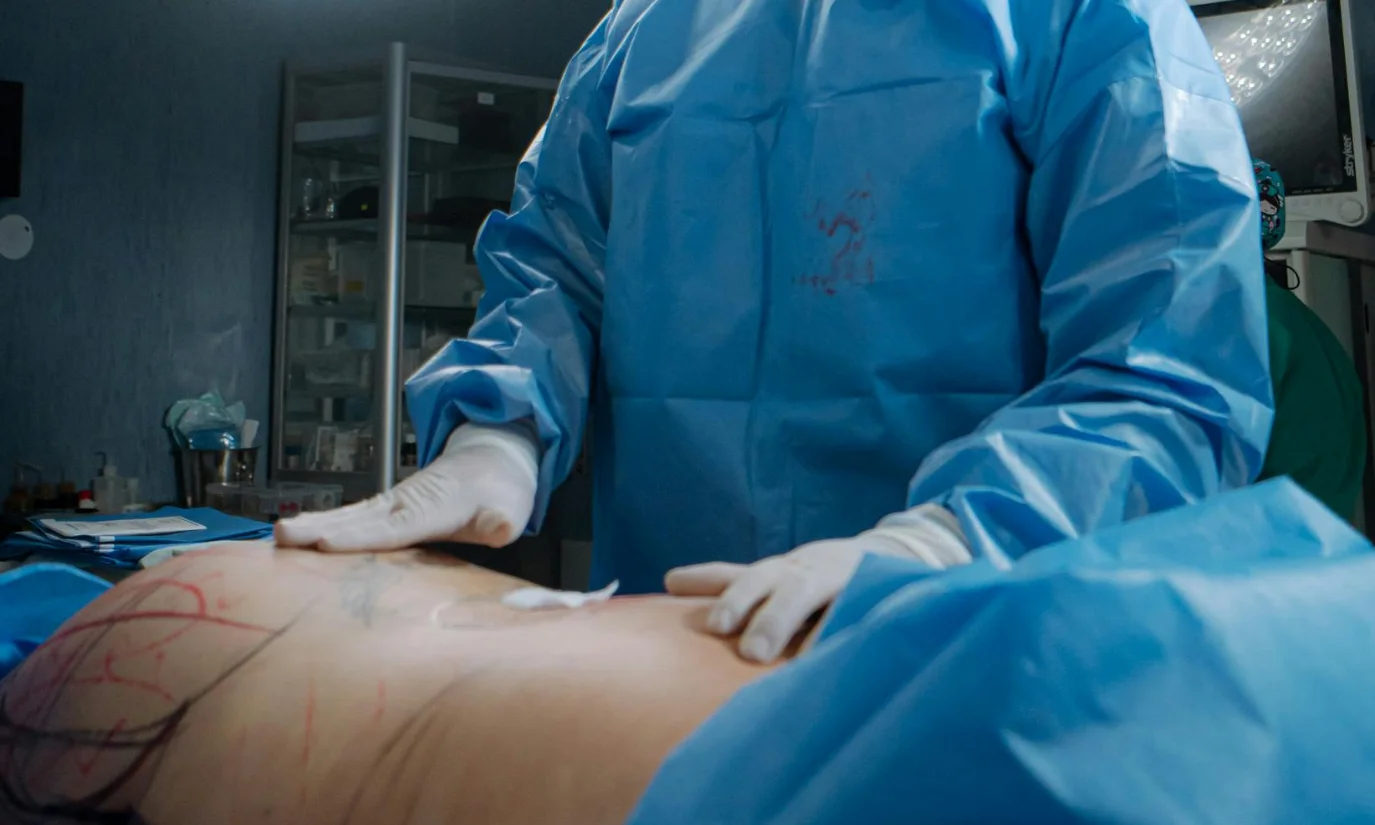
Breast surgery treatment encompasses procedures like lumpectomy, mastectomy, reconstruction, and augmentation to address cancer, benign conditions, or cosmetic concerns with tailored approaches.

Nipple-sparing mastectomy surgically excises underlying breast tissue but conserves the nipple-areola complex, enhancing aesthetic results and psychological well-being in eligible cancer or risk-reduction cases.

Skin-sparing mastectomy removes breast glandular tissue while preserving most of the overlying skin envelope, facilitating immediate reconstruction with superior cosmetic outcomes for cancer patients.

Modified radical mastectomy removes the entire breast, including the nipple, along with axillary lymph nodes while sparing the pectoralis major muscle for better arm function.

Modified radical mastectomy removes the entire breast, including the nipple, along with axillary lymph nodes while sparing the pectoralis major muscle for better arm function.